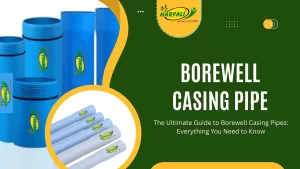

When it comes to drilling, borewell installations, groundwater extraction, and structural protection, casing pipes play a vital role in ensuring long-lasting performance and safety. A casing pipe is designed to protect underground water wells, maintain borehole integrity, prevent contamination, and support the overall drilling structure. At Polyshakti Pipe Industries, we focus on manufacturing high-quality casing solutions that meet diverse industrial and agricultural requirements. This blog will help you clearly understand what is casing pipe, its types, functions, applications, selection tips, advantages, and more.
What is Casing Pipe?
A casing pipe is a specially engineered pipe used to line the drilled hole in borewells, water wells, and underground piping systems. It acts as a protective shield around the borehole and prevents soil, sand, and unwanted materials from collapsing into the well. This pipe casing ensures clean water extraction and enhances the overall durability of the structure. Casing pipes are typically made from materials like uPVC, HDPE, mild steel, or stainless steel, depending on the application. They are available in various casing sizes, pressure ratings, and designs to withstand different geological conditions. In simple words, a casing pipe is the backbone of a stable borewell installation.
Also Read: HDPE Pipes Features and Applications
Types of Casing Pipes
Choosing the right type of casing is important to ensure optimum performance. Below are the most common casing types used across different industries:
1. uPVC Casing Pipes
These are widely used for borewells and water extraction due to their corrosion resistance, lightweight nature, and long service life. uPVC casing pipes are ideal for residential, agricultural, and municipal water supply projects.
2. MS (Mild Steel) Casing Pipes
MS casing pipes are used in deep drilling, construction, mining, and high-pressure applications. They offer excellent strength, making them suitable for tough geological conditions.
3. HDPE Casing Pipes
HDPE pipe casing is flexible, chemical-resistant, and lightweight. It is used in telecom cable laying, electrical conduit protection, and irrigation systems.
4. Stainless Steel Casing Pipes
These pipes are suitable for demand-based applications that require strong corrosion resistance and durability, especially in coastal or chemically active soil conditions.
5. Ribbed Screen Casing Pipes
Used specifically in advanced borewell structures, these pipes provide better water flow and filtration due to their ribbed design. Each type of casing has its strengths, and selecting the right one depends on the application, soil type, and project depth.
Key Functions of Casing Pipes
Casing pipes perform multiple roles in ensuring the efficiency and safety of water wells and industrial projects.
1. Borehole Support- Casing pipes prevent the borehole walls from collapsing. This structural support is essential in loose soil or sandy regions.
2. Protection Against Contamination- By sealing the inner borewell from surrounding groundwater and pollutants, casing pipes maintain water purity.
3. Improved Water Flow- With proper filter screens and appropriate casing size, water can flow smoothly into the pump without soil intrusion.
4. Extended Lifespan of the Well- By providing structural stability and resisting corrosion, casing pipes increase the operational lifespan of borewells and drilling installations.
5. Secure Housing for Pumps- The casing pipe ensures that submersible pumps and related equipment remain secure and operational without blockage.
Applications of Casing Pipes
Casing pipes are highly versatile and used across multiple sectors. Here are the major applications:
1. Borewell and Tube Well Construction- The most common use of pipe casing is in water extraction systems. Casing pipes ensure uninterrupted access to groundwater.
2. Domestic and Agricultural Water Supply- Farmers and households use different casing sizes depending on water demand and soil conditions.
3. Industrial Water Systems- Industries requiring large volumes of water use strong MS or stainless steel casing pipes to stabilize deep drilling operations.
4. Mining and Drilling- Casing pipes are essential in mining shafts and drilling operations to maintain hole structure and prevent collapse.
5. Construction Industry- Used in foundation drilling, piling, and structural support, casing pipes add strength to underground installations.
6. Telecommunication and Electrical Conduits- HDPE casing is used to protect underground cables and fiber optic lines.
7. Sewage and Wastewater Systems- Special casing pipes protect sewage lines from contamination and structural failures.
How to Select the Right Casing Pipe
Choosing the right casing pipe depends on several technical and geological factors. Below are the key things to consider:
1. Soil and Geological Conditions- Loose, sandy, rocky, or clay soil all require different casing types to avoid collapse or blockage.
2. Depth of the Borewell- Deeper installations may require stronger MS or stainless steel pipes rather than standard PVC.
3. Required Casing Size- The internal and external casing size plays a major role in pump housing and water flow capacity.
4. Water Quality- For areas with chemical impurities or saltwater, corrosion-resistant materials like HDPE or SS casing are ideal.
5. Pressure Rating- Different casing types come with various pressure grades. Choose the one that matches the ground pressure at your drilling depth.
6. Budget and Project Requirement- PVC casing pipes are affordable for household wells, while industrial deep wells may require higher-grade materials. Consulting with an expert manufacturer like Polyshakti Pipe Industries ensures you choose the most reliable casing for your project.
Advantages of Using High-Quality Casing Pipes
Investing in premium casing pipes offers long-term benefits:
1. Long Service Life- High-quality casing pipes resist corrosion, chemicals, and physical wear, offering decades of reliability.
2. Prevents Borewell Collapse- Superior pipe casing ensures structural stability and reduces the risk of drilling failures.
3. Better Water Quality- Premium casing prevents contamination and improves the overall hygiene of water supply systems.
4. Low Maintenance- High-grade materials need minimal upkeep, saving time and cost.
5. Suitable for All Terrains- Whether the soil is rocky, sandy, or clay-rich, strong casing pipes can withstand tough conditions.
6. Cost-Effective in the Long Run- Though initial cost may vary, durable casing pipes reduce repair and replacement expenses.
Conclusion
Casing pipes are an important component in borewell construction, drilling operations, water management, and various industrial applications. Understanding what is casing pipe, the different types of casing, and how to choose the right one helps ensure long-term performance and safety. At Polyshakti Pipe Industries, we deliver high-quality, durable, and reliable casing pipes that meet diverse project needs. Whether you need uPVC casing pipes, HDPE casing, or robust steel casing for deep drilling, choosing the right pipe casing plays a crucial role in maintaining the structural integrity and efficiency of your system. With the right selection and expert guidance, you can ensure a safe, stable, and long-lasting groundwater or drilling installation.