Water is one of the most important resources for homes, farms, and industries. In many regions, especially in India, borewells are a reliable solution for accessing underground water. However, the success and life of a borewell largely depend on one critical component—the borewell casing pipe. Choosing the right casing pipe ensures water safety, borewell stability, and long-term performance.
In this detailed guide by Polyshakti Pipe Industries, we explain what is borewell, the importance of borewell casing pipes, different materials used, how much casing is required for borewell, and the role of fiber pipe for borewell. This blog will help you make informed decisions when planning or installing a borewell.
What Is Borewell?
Before understanding casing pipes, it is important to know what is borewell. A borewell is a narrow, deep well drilled into the ground to access underground water sources. Unlike open wells, borewells reach deeper aquifers, making them more reliable during water shortages.
Borewells are commonly used for residential buildings, agriculture, factories, and commercial spaces. Since borewells go deep into the soil, they require proper structural support to prevent collapse and contamination. This is where borewell casing pipes play a vital role.
What Is a Borewell Casing Pipe?
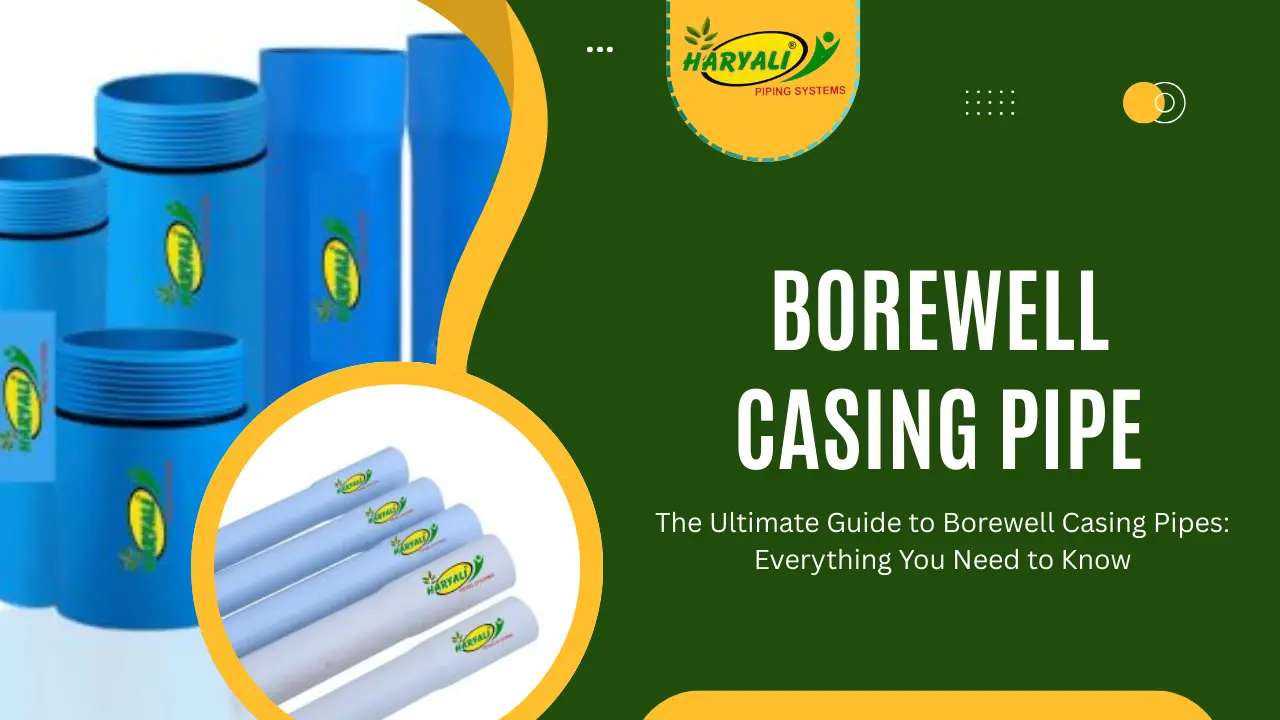
A borewell casing pipe is a pipe installed inside the drilled borewell hole. Its main function is to prevent loose soil, sand, and rocks from entering the borewell. It also helps protect the groundwater from surface contamination and increases the lifespan of the borewell.
Without proper casing, borewells may collapse, get blocked by sand, or produce muddy water. High-quality casing pipes ensure clean water flow and long-term borewell stability.
Why Borewell Casing Pipes Are Important?
Borewell casing pipes are essential for several reasons. They provide structural support to the borewell walls, especially in loose or sandy soil. They also prevent mixing of contaminated surface water with clean underground water. Another important benefit is improved water quality. A well-installed casing pipe helps filter out sand and soil particles, ensuring smooth water flow. This makes casing pipes a must-have component in every borewell project.
Types of Borewell Casing Pipes
There are different types of casing pipes available in the market, and choosing the right one depends on soil conditions, borewell depth, and budget.
PVC Borewell Casing Pipe
PVC casing pipes are widely used due to their durability, corrosion resistance, and affordability. They are lightweight, easy to install, and suitable for most soil conditions. PVC pipes do not rust and are ideal for long-term use.
Fiber Pipe for Borewell
Fiber pipe for borewell is another option used in specific conditions. Fiber pipes are strong, lightweight, and resistant to corrosion. They are often used in shallow borewells or areas where chemical resistance is required.
However, fiber pipes may not be suitable for very deep borewells due to pressure limitations. Choosing fiber pipes should always depend on professional advice and site conditions.
Steel Casing Pipes
Steel pipes are extremely strong and suitable for deep borewells with hard rock formations. They provide excellent structural support but are more expensive and prone to corrosion over time if not treated properly.
How Much Casing Is Required for Borewell?
One of the most common questions asked is how much casing is required for borewell. The amount of casing depends on several factors, including soil type, borewell depth, and geological conditions.
In general, casing is required until stable rock formation is reached. For soft or sandy soil, more casing length is needed to prevent collapse. In rocky areas, casing may only be required for the upper portion of the borewell.
Typically, casing depth can range from 30 feet to 200 feet or more. A professional borewell survey helps determine exactly how much casing is required for borewell to ensure safety and efficiency.
Factors Affecting Borewell Casing Requirement
Several factors influence the casing requirement in a borewell. Soil condition is the most important factor. Loose soil requires longer casing compared to hard rock areas.
Water table level also affects casing length. In areas with fluctuating water levels, additional casing helps maintain water quality. Borewell diameter and pipe thickness are also important considerations when selecting casing pipes.
Borewell Casing Pipe Size and Thickness
Choosing the correct diameter and thickness of a borewell casing pipe is crucial. Common diameters range from 4 inches to 8 inches, depending on water demand and pump size.
Thicker pipes offer better strength and longer life, especially for deep borewells. High-quality casing pipes ensure resistance against external pressure and soil movement.
Installation Process of Borewell Casing Pipes
The installation of borewell casing pipes is a critical step in borewell construction. After drilling, casing pipes are inserted into the borewell hole and properly aligned. The joints are securely connected to prevent leakage or misalignment. Proper installation ensures smooth water flow and prevents sand entry. Using certified products from reliable manufacturers like Polyshakti Pipe Industries ensures better performance and durability.
Maintenance and Life of Borewell Casing Pipes
A well-installed borewell casing pipe requires minimal maintenance. Regular water quality checks and pump servicing help extend borewell life. High-quality materials like PVC or fiber pipes can last for decades if used correctly. Avoiding over-pumping and maintaining proper borewell usage also protects the casing pipe from damage.
About Polyshakti Pipe Industries
Polyshakti Pipe Industries is a trusted name in manufacturing high-quality casing pipes. We manufactured various types of pipes & fittings like pvc pipes & fittings, column pipes, garden pipes, Swr pipes, upvc pipes and more. Our pipes are designed to meet Indian water conditions. The company focuses on strength, durability, and quality control to ensure reliable performance.
Polyshakti offers casing pipes that are corrosion-resistant, easy to install, and suitable for various soil conditions. With a commitment to customer satisfaction and industry standards, Polyshakti Pipe Industries provides solutions you can trust.
Conclusion
Understanding what is borewell, selecting the right borewell casing pipe, knowing how much casing is required for borewell, and choosing suitable materials like fiber pipe for borewell are essential for a successful borewell project.
A properly designed and installed casing system ensures clean water, borewell stability, and long-term savings. With the right guidance and quality products from Polyshakti Pipe Industries, you can ensure a reliable and efficient water source for years to come.
If you plan your borewell carefully and invest in the right casing pipes, you can avoid common problems and enjoy uninterrupted water supply with peace of mind.