
High-Density Polyethylene (HDPE) Pipes are becoming the backbone of modern piping systems due to their strength, durability, and cost-effectiveness. Polyshakti Pipe Industries brings you a complete and informative guide on HDPE Pipes Features and Applications, along with essential details like what is HDPE pipe, HDPE pipe full form, HDPE pipe fittings, HDPE pipe uses, and more. In this blog we will explain, why HDPE pipes are preferred in water supply, sewage, gas distribution, agriculture, and industrial projects.
What is HDPE Pipe?
HDPE pipe, also known as High-Density Polyethylene pipe, is a strong and flexible plastic pipe used for fluid transportation. The molecular structure of HDPE makes the pipe highly resistant to pressure, chemicals, corrosion, and environmental stress. These pipes are lightweight yet extremely tough, which makes them ideal for both underground and above-ground applications.
HDPE pipes are used in water supply, irrigation, sewage drainage, and industrial systems due to their leak-proof and long-lasting performance.
HDPE Pipe Full Form
Many users search for HDPE pipe full form, and the answer is simple—HDPE stands for High-Density Polyethylene.
This thermoplastic polymer is known for its high strength-to-density ratio, which makes HDPE pipes highly durable, flexible, and suitable for long-term use. HDPE material is also non-toxic, making it safe for drinking water supply and food-related applications.
Manufacturing of HDPE Pipes
The manufacturing of HDPE pipes at Polyshakti Pipe Industries follows advanced technology and strict quality control. Virgin-grade polyethylene granules are melted and extruded at controlled temperatures. The pipe then passes through sizing machines to maintain perfect diameter and wall thickness. Once cooled, the pipe is cut into standard lengths and tested for pressure resistance, flexibility, and leakage.
Each HDPE pipe undergoes quality inspections to meet industry standards, ensuring reliable performance in every application.
HDPE Pipes Features
HDPE pipes come with multiple advantages that make them one of the most preferred piping materials worldwide.
1. High Durability- HDPE pipes can easily last 50 years or more because they do not crack, rust, or leak. Their strong resistance to chemicals, UV rays, pressure, and environmental changes makes them suitable for long-term installations in all weather conditions.
2. Leak-Proof and Flexible- The natural flexibility of HDPE pipes makes installation simple, especially on uneven or shifting terrains. When these pipes are connected using butt fusion or electrofusion methods, they create strong, leak-proof joints. This reduces water loss and improves system efficiency.
3. Corrosion and Chemical Resistance- Unlike metal pipes, HDPE does not corrode, react with chemicals, or get damaged by acids or salts. This makes it ideal for chemical plants, sewage systems, industrial wastewater lines, and other applications where corrosion resistance is required.
4. Lightweight and Easy to Install- HDPE pipes are very lightweight, which reduces transportation costs and installation labor. Fewer tools and manpower are required during installation, helping to lower the overall project cost and speed up completion time.
5. Smooth Inner Surface- The inner walls of HDPE pipes are smooth and friction-free. This allows water to flow easily with minimal pressure loss. Better flow efficiency also results in improved performance and reduced energy consumption.
6. Eco-Friendly Material- HDPE is a recyclable and non-toxic material. It does not release harmful substances into water or soil, making it safe for drinking water applications and environmentally friendly projects.
HDPE Pipe Fittings
Every HDPE piping system includes HDPE pipe fittings such as elbows, tees, bends, couplers, reducers, end caps, and flanges. These fittings help in changing direction, connecting pipes of different diameters, and creating leak-proof joints. Polyshakti Pipe Industries provides a complete range of HDPE Pipes Fittings to ensure strength, durability, and proper installation in every project.
HDPE Pipe Price
Many buyers look for HDPE pipe price, and the cost depends on several factors such as pipe size, wall thickness (pressure rating), raw material grade, brand quality, availability, and application type. Polyshakti Pipe Industries offers competitive prices and high-quality pipes suitable for water supply, agriculture, and industrial use. Customers can request project-specific quotations for accurate pricing.
HDPE Pipe Uses
1. Water Supply Systems- HDPE pipes are ideal for drinking water because they do not corrode or release any harmful chemicals. Their smooth inner surface maintains high flow efficiency, and the pipe can easily handle pressure changes. This makes HDPE a safe and dependable choice for residential, commercial, and municipal water supply networks.
2. Sewage and Drainage- The leak-proof joints of HDPE pipes make them excellent for underground sewage pipelines, stormwater drainage, and wastewater treatment plants. Their long service life, flexibility, and resistance to chemical waste ensure trouble-free performance in drainage systems.
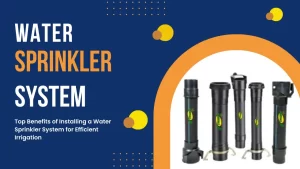
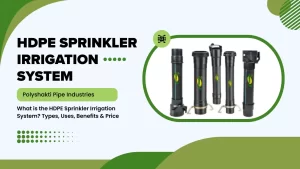
3. Agricultural Irrigation- Farmers choose HDPE pipes for drip irrigation, sprinkler systems, and borewell connections because they are lightweight, flexible, and low maintenance. These qualities help in easy installation across fields and improve water distribution efficiency in agriculture.
4. Industrial Applications- HDPE pipes are widely used in industries to carry chemicals, slurries, acidic liquids, and industrial wastewater. The material does not react with harsh chemicals, making it a reliable option for factories, processing plants, and chemical industries.
5. Gas Distribution- HDPE pipes are commonly used in natural gas and LPG distribution lines due to their high pressure-handling capability. Their crack-resistance and flexibility make them safer and more durable than many traditional materials used in gas pipelines.
6. Electrical and Telecom Ducting- HDPE conduits are excellent for protecting underground electrical cables and fiber optic wires. They shield cables from moisture, soil pressure, and physical damage, ensuring long-term cable safety and smooth performance of communication systems.
7. Mining Applications- In mining operations, HDPE pipes are used for slurry transport, dewatering, and mineral processing. Their toughness, impact resistance, and ability to withstand harsh working conditions make them suitable for demanding environments like mines.
Applications of HDPE Pipe Fittings
HDPE pipe fittings help in creating strong and reliable pipelines. They are commonly used for joining pipe lengths, changing flow direction, connecting different diameters, and ensuring leak-proof connections. These fittings are essential for water supply, irrigation, sewage, industrial, and gas pipeline networks.
Why Choose Polyshakti Pipe Industries?
Polyshakti Pipe Industries is one of India’s trusted HDPE pipe manufacturers, known for its high-quality products, advanced production facilities, and customer-oriented service. The company provides durable HDPE pipes and fittings at competitive prices, ensuring long-term performance and safety.
With a commitment to quality and innovation, Polyshakti continues to support infrastructure and industrial growth across the country.
Conclusion
HDPE pipes offer unmatched strength, durability, flexibility, and corrosion resistance, making them ideal for a wide range of applications. Understanding what is HDPE pipe, its features, uses, fittings, and pricing helps in selecting the right product for any project. Polyshakti Pipe Industries ensures the supply of high-performance HDPE pipes and fittings that meet modern infrastructure demands efficiently and reliably.
Also Read : Top 10 PVC Pipe Company in India